

Applications
Built to support your product at any stage —
whether you need one service or a complete integration.

Anatomy visualization

Surgical and procedural steps

Medical device explanations

Research presentations

Patient communication tools
Boosts engagement by 80%
Stunning visuals increase click-through rates and customer interaction.
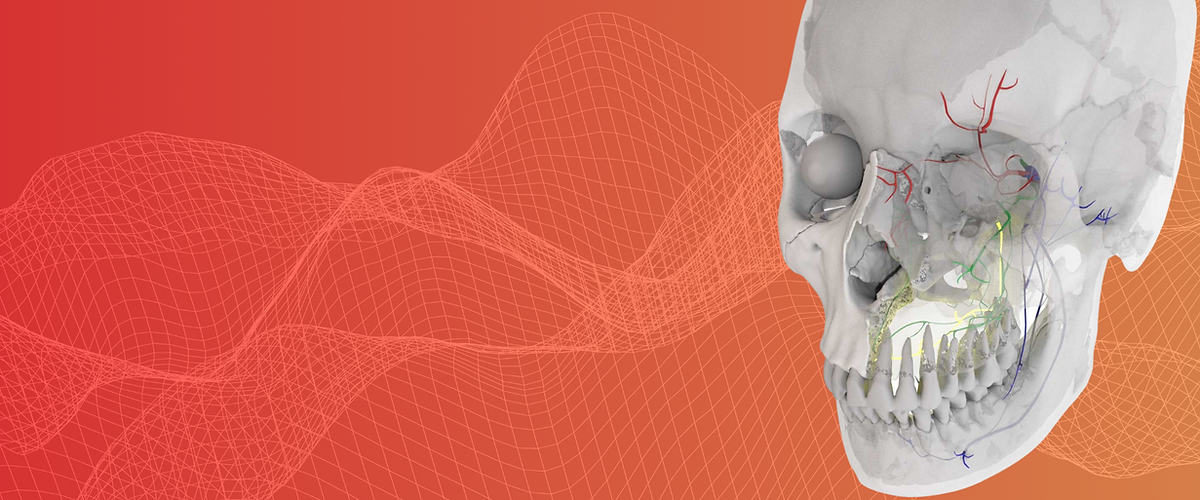
Interactive Anatomical Models
High-precision 3D structures you can explore in detail.


Frequently Asked Questions
Q: Why use 3D instead of photography? A: Many anatomical structures, internal components or procedural steps cannot be photographed clearly or safely. 3D allows cutaways, layers, transparency, magnification and controlled explanations that real images cannot achieve.
Q: Can these models be used later for VR/MR? A: Yes. All assets are created with clean, optimized geometry so they can be upgraded into interactive or immersive training modules at any moment.
Q: Do you use AI to create the final medical 3D models? A: AI is used only in the early visual exploration stage (concepts, lighting ideas, references). All final models are created manually with full anatomical and technical accuracy.
Q: Can you match our university, clinical or institutional requirements? A: Yes. We work with precise reference material, clinical images, measurements and guidelines to ensure each model meets your standards.
Q: Do you deliver both still images and animations? A: Yes. You can request static renders, animated procedures, exploded views, step-by-step visuals, interactive elements and even VR/MR modules.
Q: What types of medical content can you create? A: Anatomy, surgical workflows, device breakdowns, clinical explanations, educational modules, implants, instruments, and research visuals — from basic structures to highly detailed medical assets.
Q: How long does a typical medical 3D project take? A: Time depends on complexity: Simple anatomical structures: 2–5 days Multi-step procedures: 2–4 weeks Complex anatomy or medical devices: 3–6 weeks VR/MR training modules: 4–12 weeks


